Real Estate Portfolio Management
Founding Designer • Main Street Pulse
A 0→1 product for DIY investors—replacing spreadsheet chaos with one place to track properties, model decisions, and share with tax professionals.
DIY real estate investors building wealth
More than 14M DIY real estate investors in the U.S. manage properties and entities—often with spreadsheets. Some want a quick portfolio view; others want to dig into assumptions and projections. The product had to serve both without overwhelming either.
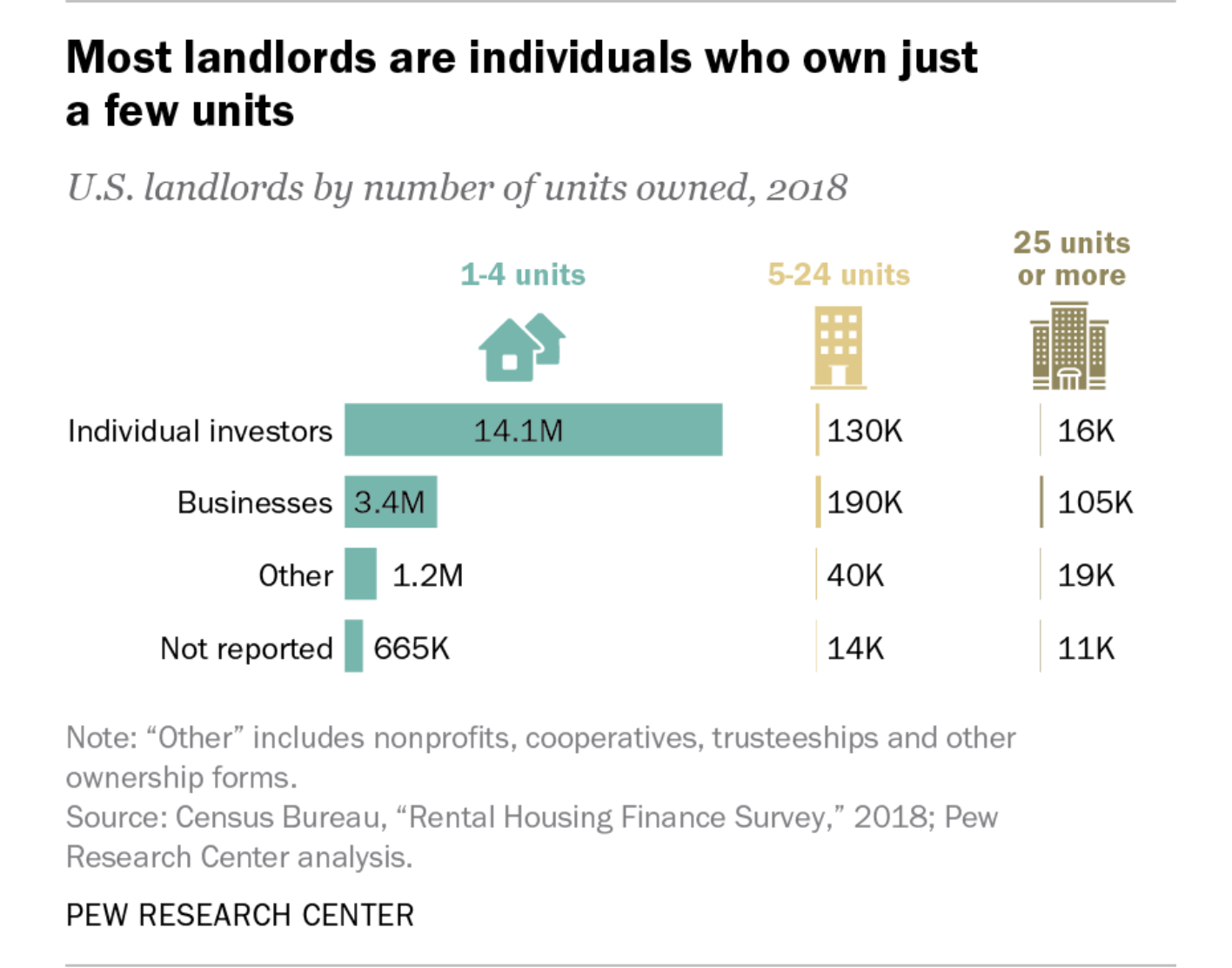
More than 14M DIY investors in the U.S. manage properties and entities—often with spreadsheets.
No single tool to manage properties, entities, and tax decisions
Investors were piecing together portfolios across spreadsheets and ad hoc workflows. Updating financials was essential but time-consuming—and there was no shared source of truth for performance, structure, or tax guidance.
- Spreadsheets everywhere: the primary tool for tracking properties and entities, with no unified portfolio view.
- Manual updates: keeping financial information current was time-consuming and easy to fall behind on.
- Tax structure uncertainty: hard to know if the setup was right or whether benefits were being maximized.
One product for portfolio clarity, performance guidance, and sharing with tax professionals.
Research and mapping before pixels
As founding designer, I led discovery end to end—starting with how investors actually worked today, not how we assumed they should.
- Interviewed DIY investors to map current workflows and pain points.
- Mapped spreadsheet logic into a unified information architecture for properties and entities.
- Prototyped and tested portfolio, projection, and sharing flows with beta users.
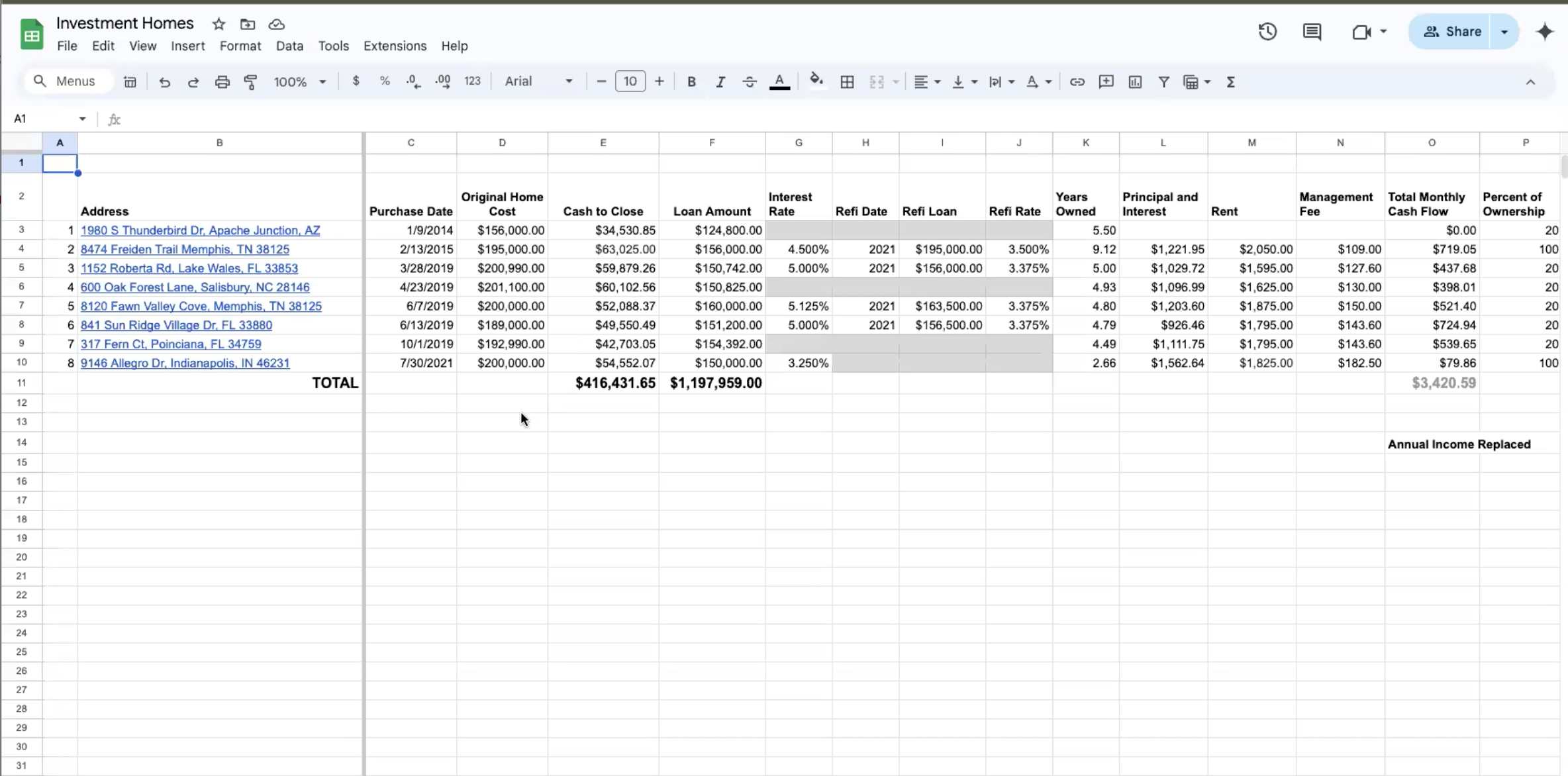
Mapping the spreadsheet workflows investors relied on to track properties and entities.
Partnering with Product and Engineering from day one
A founding team meant no handoffs—design, product, and engineering shaped scope together throughout.
- With Product: joint investor interviews, MVP scoping, and weekly prioritization. We aligned on three outcomes—portfolio clarity, performance guidance, and professional sharing—before building.
- With Engineering: early pairing on the property-and-entity data model, projection logic constraints, and a component architecture that could scale as flows grew.
Hard calls in a 0→1 financial product
- Simple vs. deep: DIY investors span a wide sophistication range. We shipped an at-a-glance portfolio first, with detailed editing where power users needed it—not every spreadsheet cell on day one.
- Breadth vs. focus: spreadsheets do everything. The MVP focused on three high-value workflows instead of replicating an entire workbook.
- Accuracy vs. speed: projection scenarios needed to be trustworthy, but perfect financial modeling would have delayed beta. We scoped v1 to the decisions investors actually asked about.
One system across three connected workflows
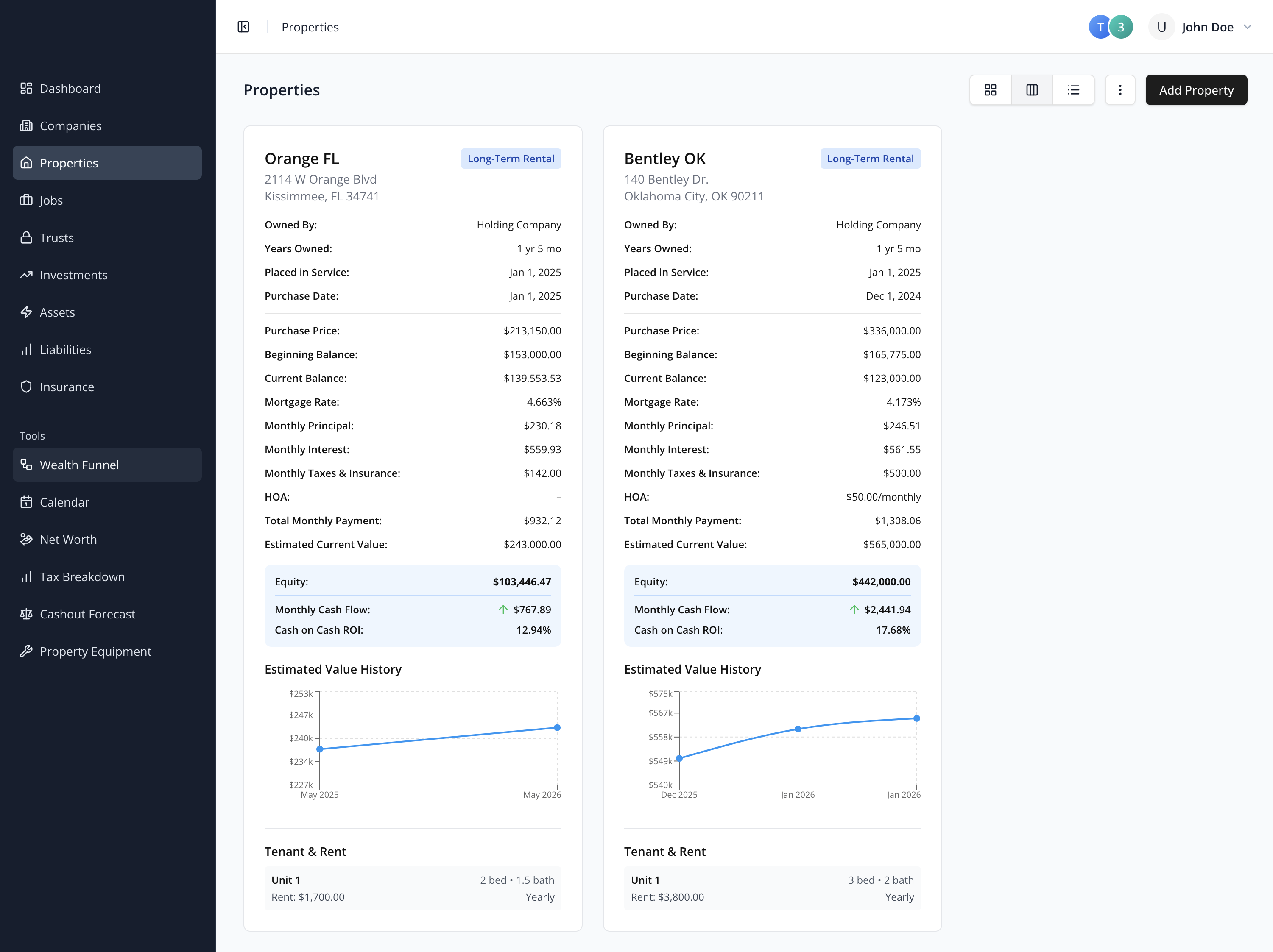
The product had to feel like a system—not a set of screens. I established shared patterns—unified IA, reusable cards and metrics, and design system foundations tuned for financial data readability—so portfolio, projections, and sharing all worked the same way.
Monthly cash flow and equity growth at the portfolio level, with a property detail view as the source of truth for each asset—replacing scattered spreadsheets with one portfolio view investors could trust.
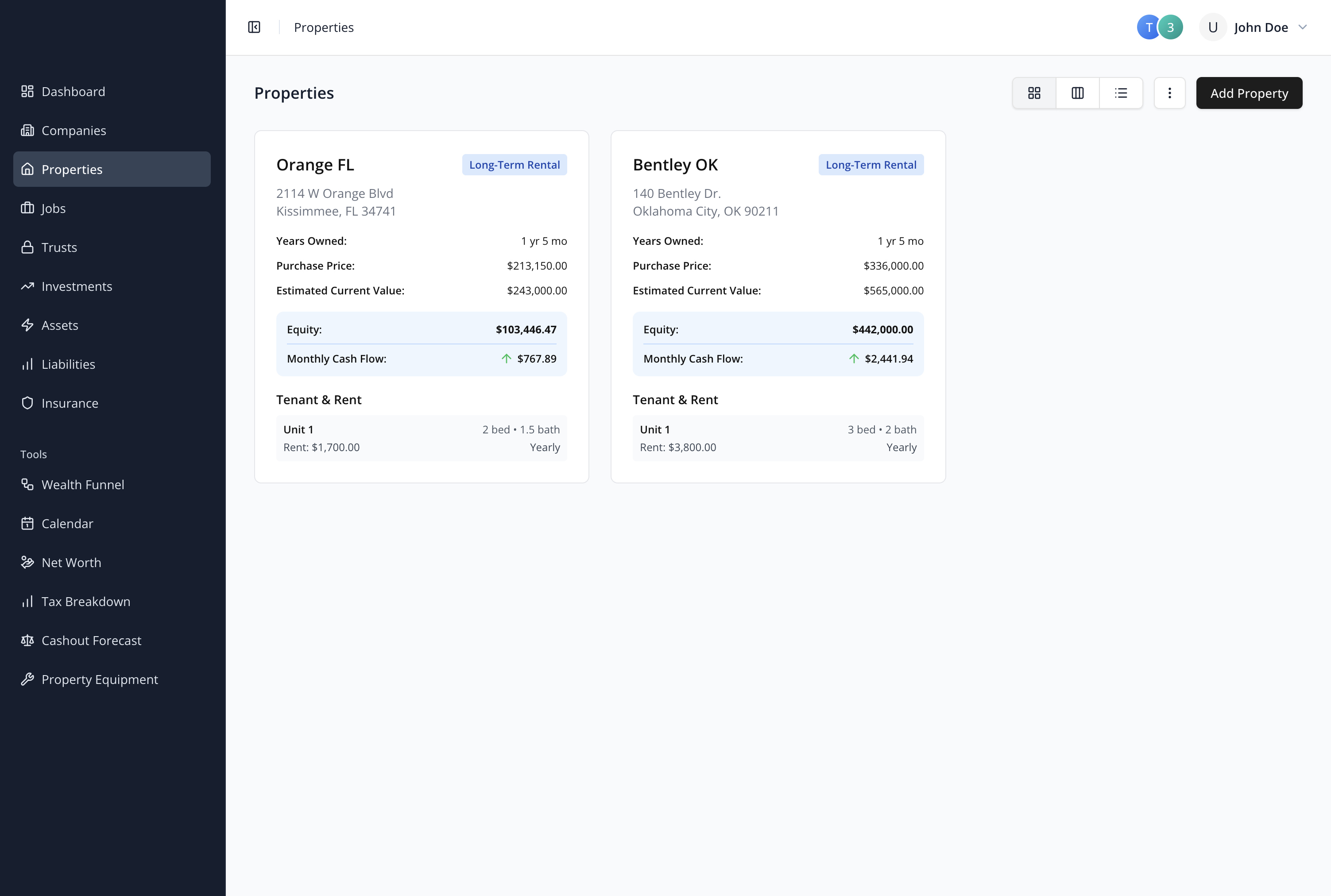
Portfolio overview with monthly cash flow and equity growth at a glance.
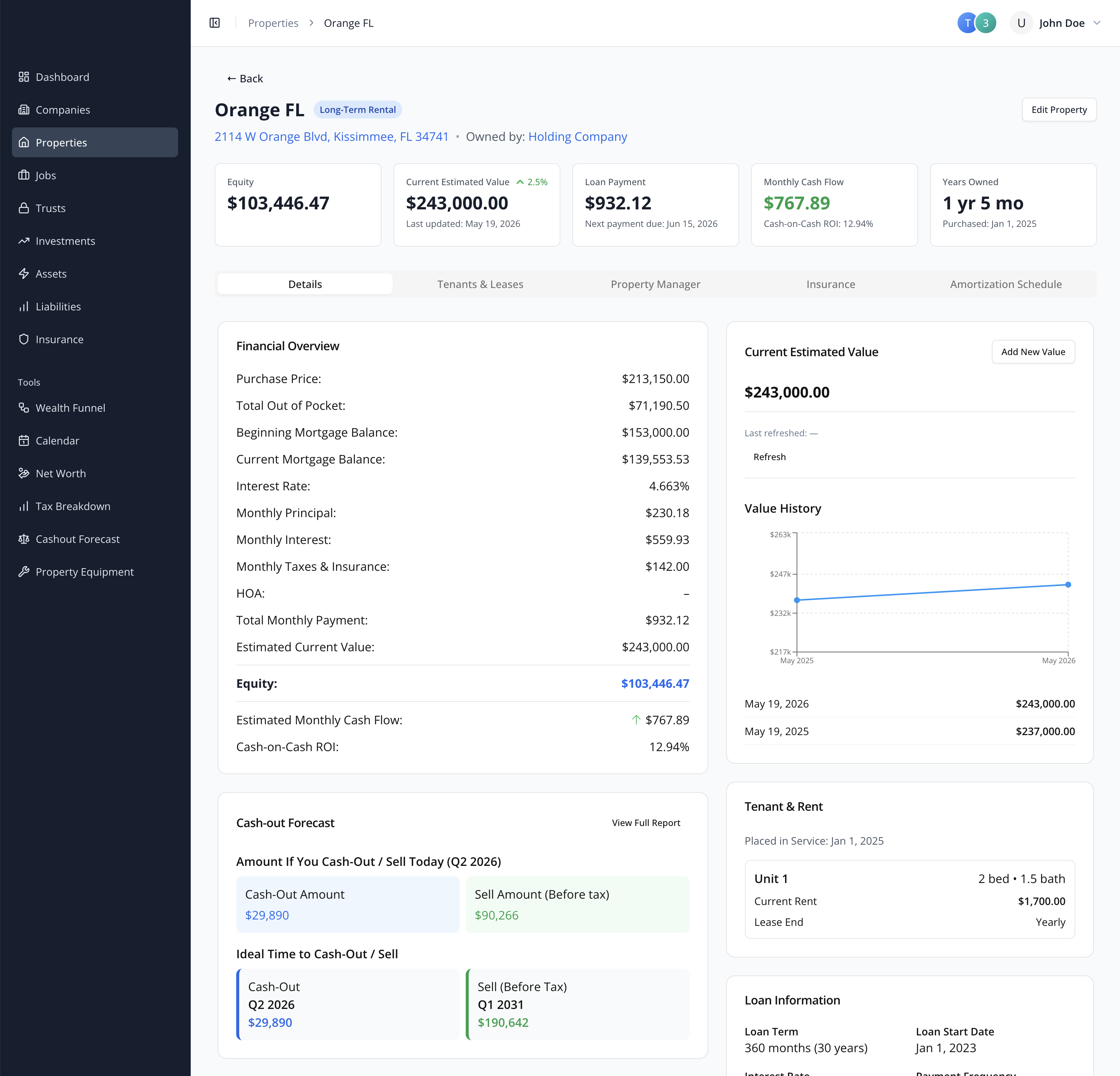
The property detail view acts as the source of truth for each asset.
An overview of when to cash out or sell, with adjustable parameters so investors could understand the impact of decisions—not just see a snapshot. The same card and metric patterns from the portfolio, extended into scenario modeling.
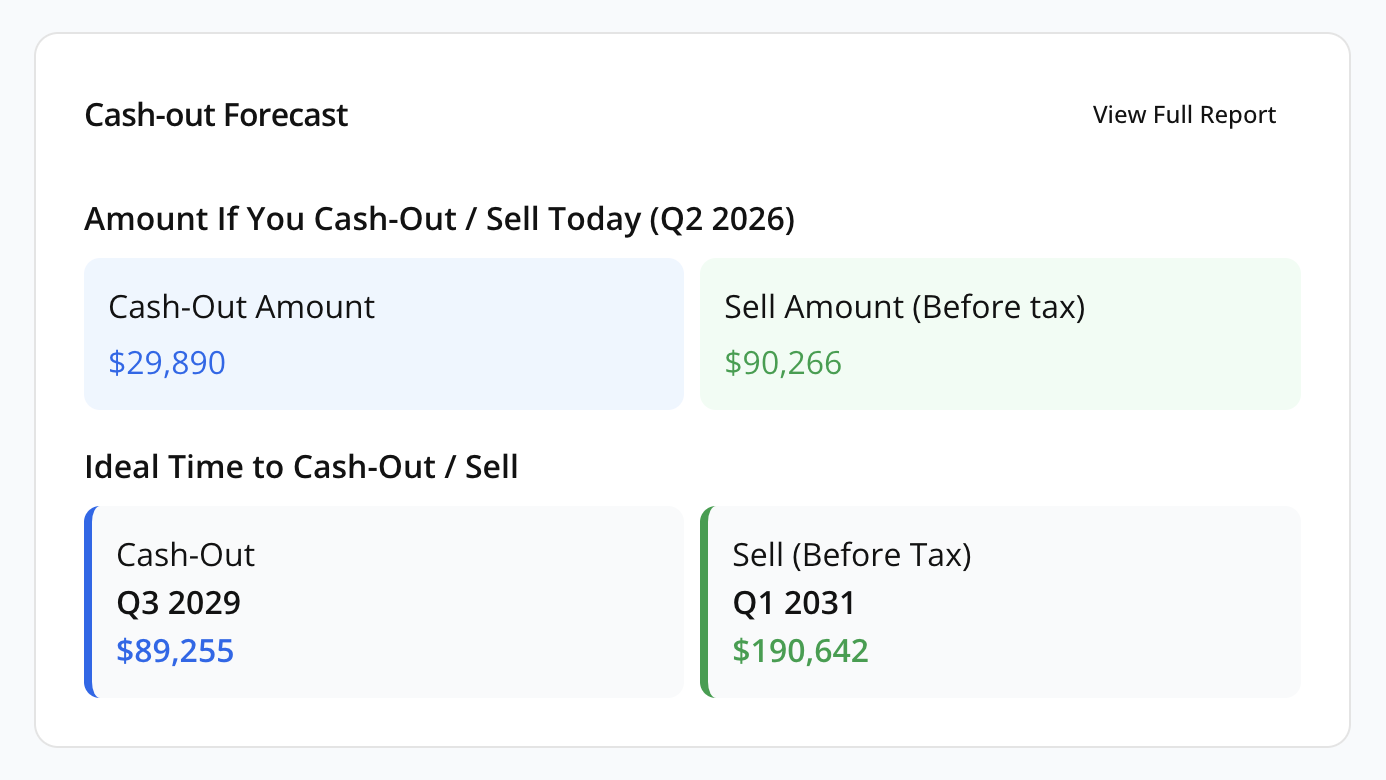
Performance guidance for when to cash out or sell a property.
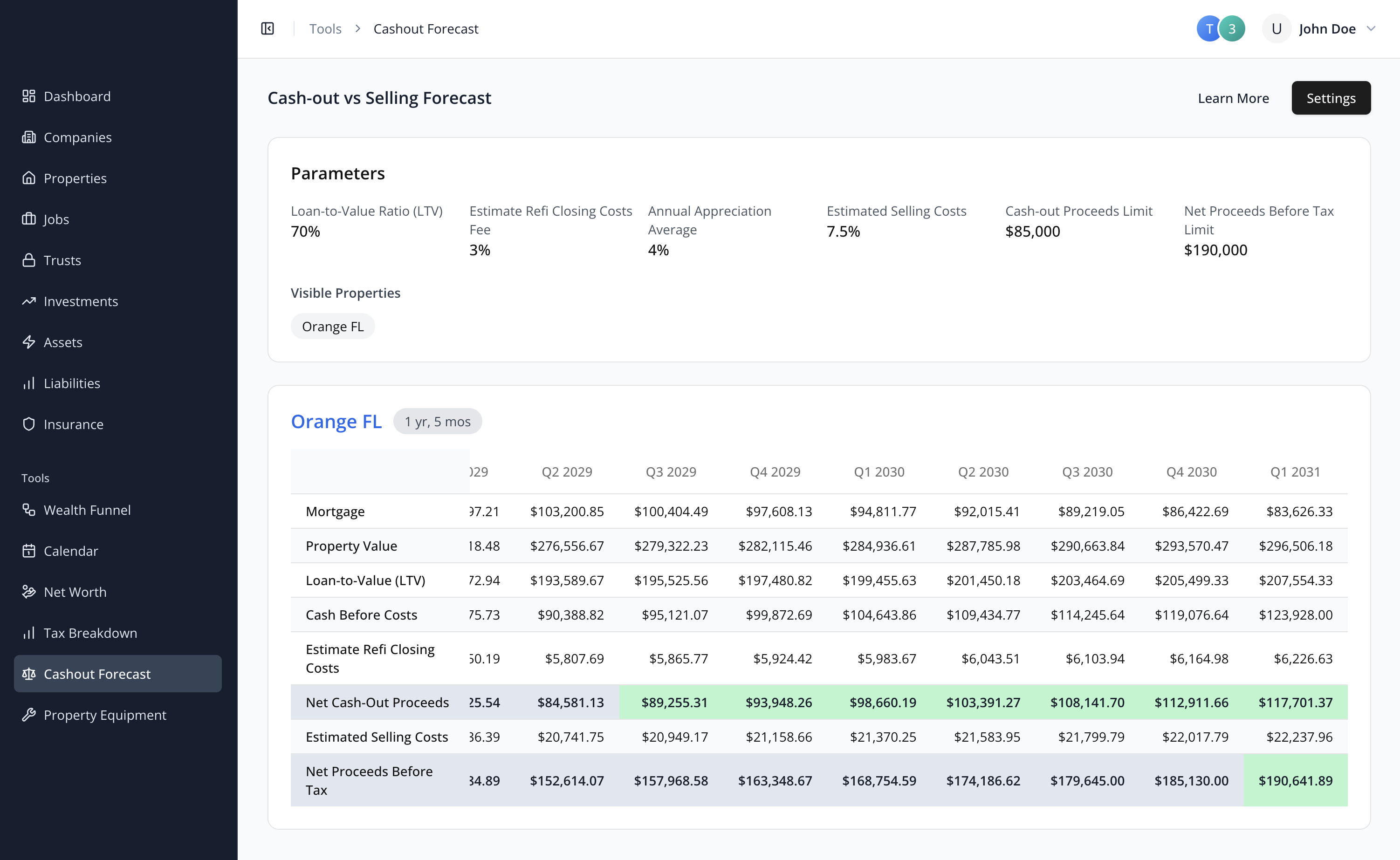
Adjustable parameters let investors model the impact of a decision, not just see a snapshot.
Investors could share their portfolio with a tax professional or partner, supported by a wealth funnel that clarified financial structure—less back-and-forth assembling files before tax season.
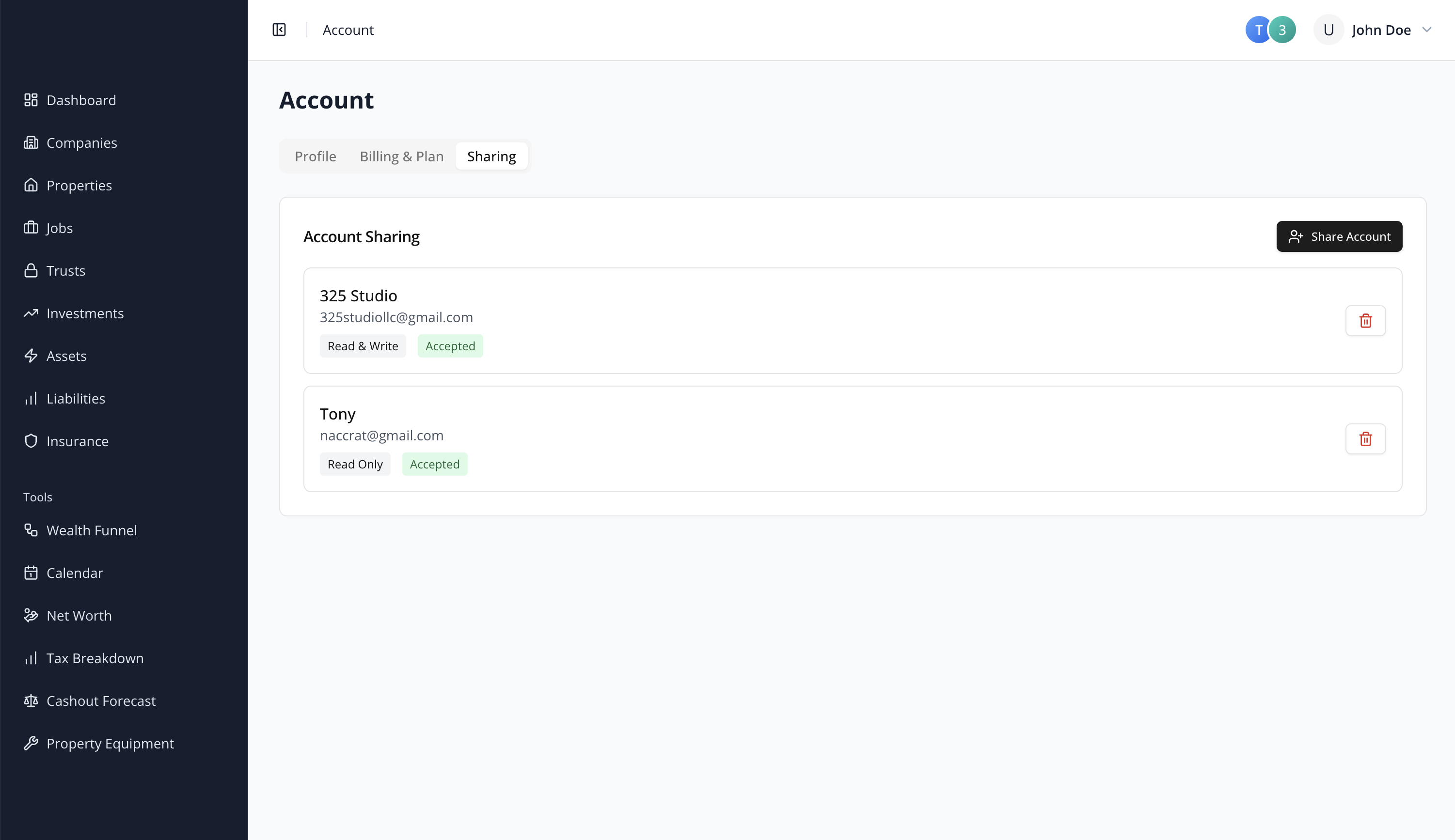
Investors can share their portfolio with a tax professional or partner.
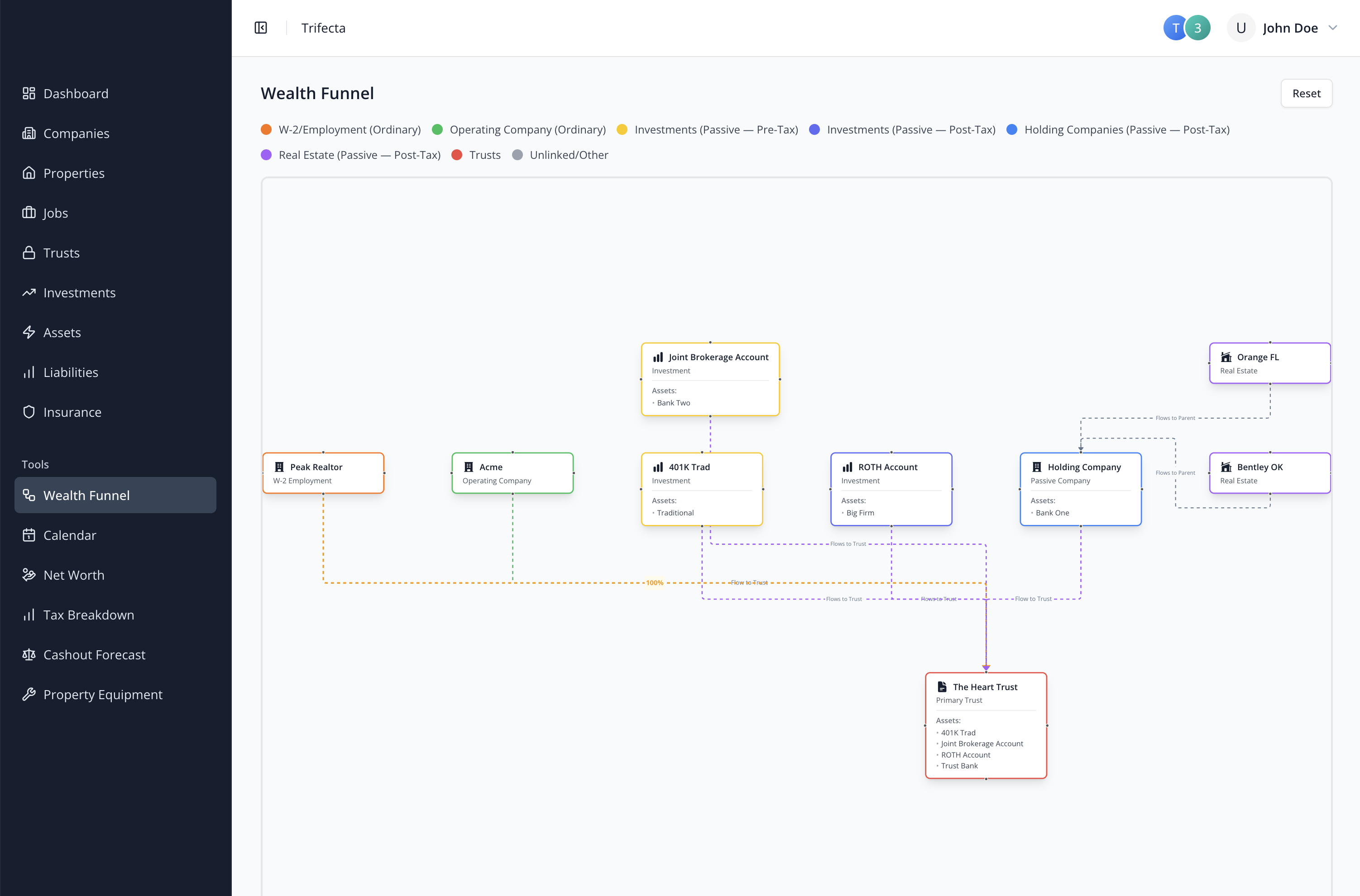
A wealth funnel that clarifies financial structure for sharing.